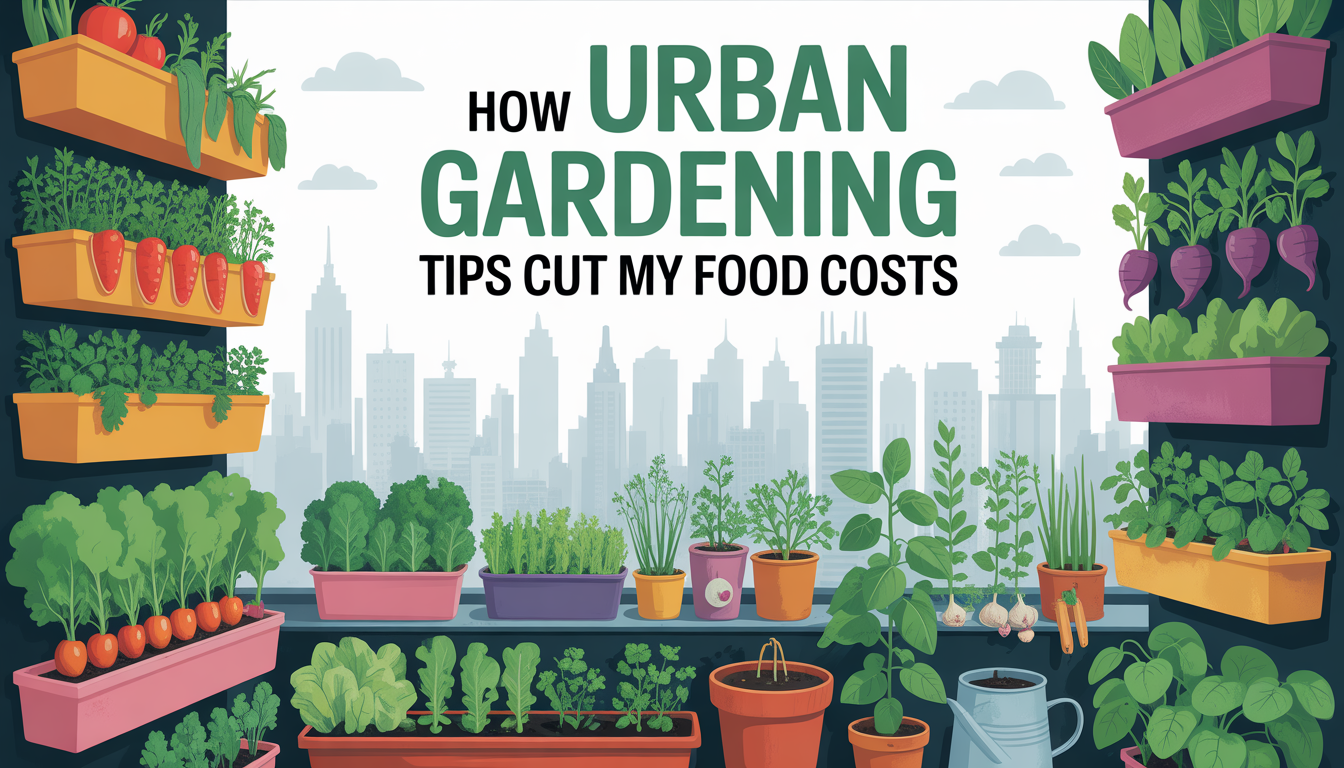

I used to think urban gardening was something only fancy people with tiny backyard patios did, while the rest of us had to pay full price for everything at the supermarket. I lived in a small apartment, with no yard, no garden tools, and no idea where to even start. Then one day, after staring at a ridiculously high grocery bill, I had a tiny, dramatic thought: “What if I could grow even a tiny part of this myself?”
That’s how I accidentally fell into urban gardening, not as a full‑time farmer, but as a very lazy, very broke city‑dweller who just wanted to eat for cheaper. In this post, I’m going to share how a few simple urban gardening tips actually cut my food costs, without turning my apartment into a greenhouse. I’ll tell you what worked, what didn’t, and how you can start doing the same, even if you live in a tiny, crowded city.
What Urban Gardening Actually Means:
Before I can explain how it saves money, I need to strip urban gardening down into simple words. Urban gardening is just the idea of growing food in city spaces, even when you don’t have a big yard. This could mean:
- Growing herbs on a windowsill.
- Planting vegetables in containers on a balcony.
- Growing salad greens in a small indoor tray.
- Joining a community garden or shared rooftop space.
You don’t need acres of land or a tractor. You just need a little space, some sunlight, and a willingness to get your hands a bit dirty.
Urban gardening is not about feeding a whole city by yourself; it’s about reducing how much you buy for certain foods, even by a small amount.
Why My Food Costs Were So High:
Before I started urban gardening, I had a few simple habits that quietly made my food costs sky‑high.
- I bought everything fresh every time:
I would run out to the store several times a week for tiny amounts of herbs, lettuce, or vegetables. Over time, those little trips added up to a lot of money.
- I paid for “convenience”:
Pre‑cut salad bags, chopped herbs in tiny plastic containers, and branded “artisan” produce looked nice, but cost a lot more than the raw ingredients.
- I over‑bought and then wasted:
I’d buy a big bag of lettuce or a bunch of cilantro because it was on sale, then forget about it in the fridge. It would die before I could use it, so I’d throw it away and buy more.
- I never grew anything myself:
I’d just assume herbs and veggies were “plants only other people grow,” and never considered doing it myself.
I wasn’t ignorant about prices; I was just not paying attention to how small, everyday habits quietly drained my wallet.
How Urban Gardening Gently Lowered My Grocery Bill:
Once I started growing even a tiny bit of food at home, I realized something interesting: I wasn’t feeding myself with a giant garden, I was just replacing small, expensive purchases with things I grew myself.
Here’s how it helped my food costs:
- Fewer trips to the store for herbs:
Instead of paying for small, expensive herb packs every week, I grew basil, coriander, and mint at home. A single plant lasted me weeks, and I only paid for it once.
- Less throwaway food:
When I grew my own greens, I picked them as I needed them instead of buying a big bag that might rot. That reduced waste and saved money.
Cheaper bulk ingredients, boosted by home‑grown extras:
I still bought basics like rice, lentils, and beans, but I topped them with fresh, home‑grown herbs and greens, which made simple meals feel more interesting without extra cost.
- More awareness of real food prices:
When I grew my own lettuce, I realized how much I was paying for it in stores. That made me think twice before buying expensive pre‑cut salads.
Urban gardening didn’t suddenly make me rich, but it quietly shaved noticeable chunks off my monthly food spending.
Tiny Urban Gardening Tips That Actually Cut My Food Costs:
I didn’t start with a big plan or expensive equipment. I started with tiny, simple tricks that fit my life as a city‑dweller. Here are the tips that actually worked for me.
- Start with one tiny thing:
I picked one easy plant to grow first, like a pot of basil on my kitchen windowsill. Once I saw it grow, I felt more confident trying more things.
- Use containers instead of a yard:
I didn’t need a garden; I just used small pots, old jars, or plastic containers. Those held soil, plants, and a few herbs or greens just fine.
- Grow what costs the most to buy:
I noticed that certain herbs and greens were surprisingly expensive for how little I used them. I started growing those first, like:
- Basil
- Cilantro
- Mint
- Green onions
Replacing those small, expensive purchases had a surprisingly big impact.
- Use recycled containers:
I reused old yogurt pots, plastic bottles, and egg cartons as plant containers. That saved me money on pots and made gardening feel less “fancy” and more “messy‑in‑a‑good‑way.”
- Start with simple plants:
I didn’t jump into growing tomatoes or peppers right away. I stuck to easy, hardy plants that were hard to kill, like lettuce, green onions, and herbs.
- Place plants where they get real sunlight:
I put herbs on windowsills that got real sunlight, not just near a window that looked sunny from the couch. Better light meant healthier plants and more food to harvest.
- Water reasonably, not heroically:
I used to either forget to water or over‑water, which killed my plants. I learned to water when the soil felt a bit dry, not every time I walked past them.
These tiny tips didn’t turn my apartment into a farm, but they quietly reduced how much I spent on certain foods.
How Indoor Herbs Surprisingly Saved Me Money:
One of the silliest things I realized was that I was paying for small, plastic‑packed herbs every single week. Leafy green herbs were cheap per gram, but when you bought them constantly, the total cost was high.
By growing a few herbs indoors, I:
- Only bought herbs once to start, instead of paying for them regularly.
- Picked fresh leaves whenever I wanted, which made me enjoy them more and waste less.
- Felt a tiny bit of pride when I cooked with something I actually grew myself.
This small change felt like a win for both my wallet and my ego.
How I Added Tiny “Garden Patches” to My Balcony:
I lived in an apartment with a small balcony, which felt like a waste of space until I started using it for gardening. I didn’t transform it into a magical garden overnight, but I did slowly add a few food‑growing elements.
Here’s what I did:
- I put a few pots on the railings:
I planted herbs and small leafy greens in small pots placed on the balcony railing, where they got good light and fresh air.
- I used vertical space:
I hung small pots or baskets slightly above the ground instead of leaving them all on the floor. This made the space feel bigger and gave plants more light.
- I protected plants from the worst weather:
I moved sensitive plants inside when it got too hot, too cold, or too windy. That kept them alive longer, so I could keep harvesting instead of buying new ones.
My balcony stayed small and crowded, but it quietly became a little food‑producing corner instead of just a parking spot for shoes and bags.
How I Used Community and Shared Spaces (Even as a City Person):
Urban living isn’t just about tiny apartments; it’s also about shared spaces and communities. I learned that I could garden even without a big personal yard by using these.
- Shared rooftop or community gardens:
Some apartment buildings or neighborhoods have shared rooftop gardens or small community plots. I joined one and used a small patch to grow vegetables or herbs.
- Plant swaps with neighbors:
I swapped extra herbs, seeds, or seedlings with neighbors who also grew plants. This meant I got new varieties without paying, and I gave away extras instead of wasting them.
- Sharing tips and tools:
I learned from other urban gardeners, and we shared simple tools, seeds, and advice. That made gardening feel less lonely and more fun.
Even if you don’t have a big space, community gardening can quietly reduce your food costs by giving you access to more plants and knowledge.
How Urban Gardening Happily Reduced Food Waste:
One of the unexpected benefits of urban gardening was that it helped me waste less food. When I grew my own plants, I picked only what I needed, and I watched them grow, so I felt more responsible for them.
Here’s how it helped:
- I didn’t throw away a half‑dead basil plant in a plastic container; I watered it, watched it grow, and used it.
- I harvested greens slowly instead of cramming a whole bag into one meal.
- I felt more connected to my food, so I treated it with more care.
This reduced waste naturally reduced costs, because I wasn’t buying and throwing away the same items repeatedly.
How I Made Urban Gardening Fit Into My Lazy City Lifestyle:
I didn’t want gardening to become a second full‑time job, so I had to make it fit my normal, lazy life. Here’s how I did that.
- I kept it simple:
I didn’t grow fancy, complicated plants. I stuck to easy herbs and greens that were hard to mess up.
- I chose low‑maintenance plants:
I picked plants that didn’t need constant care or attention, so they survived even when I forgot about them for a few days.
- I placed plants where I’d see them:
I put herbs in the kitchen so I’d see them when I cooked, and balcony plants where I’d pass them regularly. That made caring for them feel like part of my normal routine instead of a separate chore.
- I didn’t feel bad about failures
Some plants died, and that was fine. I just tried again with a different plant or container. Gardening became a learning game, not a test I had to pass.
This low‑pressure attitude made urban gardening feel like a fun, relaxing habit instead of a stressful responsibility.
How Urban Gardening Quietly Taught Me About Sustainable Living:
I didn’t start urban gardening to “save the planet,” but it quietly nudged me toward a more sustainable way of living.
Here’s how:
- I reduced how much food I bought in plastic packaging by growing my own herbs and greens.
- I used less food‑waste because I harvested what I needed instead of over‑buying.
- I became more aware of how food is grown and how long it takes to mature.
Urban gardening didn’t magically fix all environmental problems, but it helped me feel more connected to my food choices and their impact.
How You Can Start Urban Gardening to Cut Your Food Costs:
If you’re reading this and thinking about trying urban gardening, you don’t need a big space, a yard, or lots of tools. Here’s a simple way to start, even if you live in a tiny apartment.
- Pick one small thing to grow first:
Choose one easy plant, like a pot of basil or a small lettuce plant.
- Find a sunny spot:
Place it on a windowsill or balcony that gets real sunlight for at least a few hours a day.
- Use cheap or recycled containers:
Use old jars, yogurt pots, or simple plastic containers.
- Buy soil and a plant once:
Purchase soil and a small plant or seed pack; you don’t need much to start.
- Water when the soil feels dry:
Don’t over‑water; just keep the soil a bit moist.
- Pick leaves as you need them:
Use your home‑grown herbs or greens in normal meals instead of buying them.
- Add more plants slowly if you enjoy it:
Once you see how it works, you can add more plants or try a small balcony garden.
Urban gardening doesn’t have to be perfect or big. Even tiny plants can quietly cut your food costs and make your meals feel more alive.
Conclusion:
I started urban gardening because I wanted to eat slightly cheaper and waste less food, not because I wanted to become a farmer. Over time, a few simple practices quietly reduced my grocery bill, helped me grow something with my own hands, and quietly nudged me toward a more sustainable way of living.
If you’re reading this and thinking about trying gardening in your city home, save this guide, start with one tiny plant, and see how it feels. Comment below and tell me what food you’d love to grow at home, or share your first urban gardening attempt. Let’s grow a little food and cut a little cost, one small plant at a time.
FAQs:
1. Do I need a big yard to do urban gardening?
No, you can grow plants in small pots on a windowsill, balcony, or shared space.
2. Can urban gardening really save money?
Yes, by replacing small, expensive purchases like herbs and greens with home‑grown ones.
3. Is urban gardening difficult for beginners?
No, simple plants like herbs and leafy greens are easy to grow and hard to kill.
4. How much sunlight do plants need indoors?
Most herbs and greens need at least a few hours of real sunlight every day.
5. Can I grow food in a small apartment?
Yes, even small spaces can support a few pots or small containers of plants.
6. Will I waste a lot of food if I try urban gardening?
No, if you grow only what you’ll actually use, you can reduce waste instead of increasing it.
